
Lower occupancy
52%
Gross revenue $81,263
Annual cash flow -$21,243
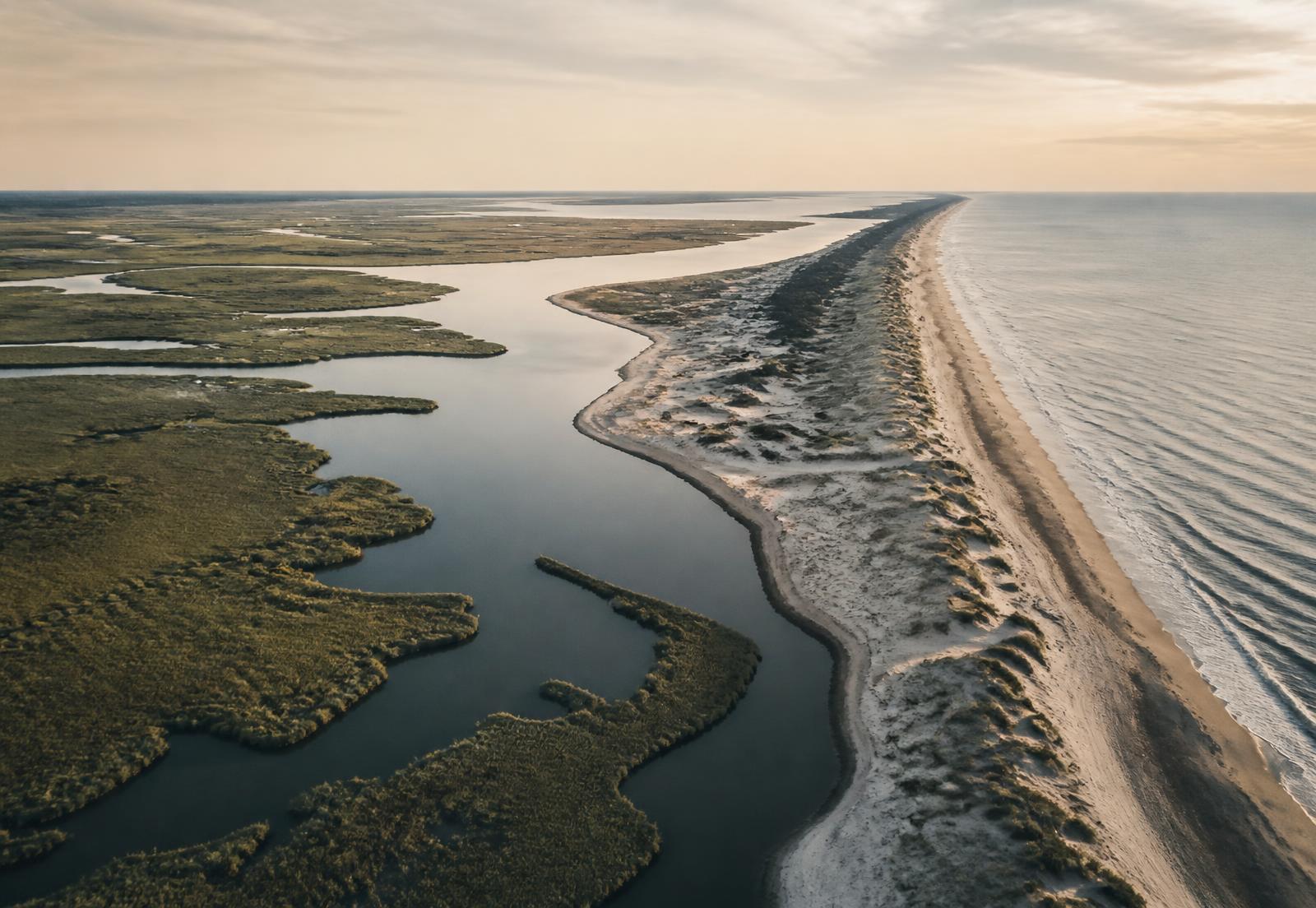
Property investing · Delmarva
Explore the assumptions behind a short-term rental, second home or coastal investment before treating the numbers as the answer.
The spreadsheet is useful. The property still matters.
Property investing on Delmarva
Coastal carrying costs, seasonal rental demand and owner priorities overlap. This lab makes the financial assumptions visible, so they can become the start of a property-specific conversation—not a verdict.
How are you thinking about the property?
Intent changes the context only. It never changes your assumptions.
STR scenario lab
Every starting value is illustrative—not a local average.
What actually moves the numbers?
Hold every other assumption constant and move occupancy from 30% to 90%.
Lower occupancy
52%
Gross revenue $81,263
Annual cash flow -$21,243
Current
62%
Gross revenue $96,891
Annual cash flow -$8,741
Higher occupancy
72%
Gross revenue $112,518
Annual cash flow $3,761
Tom’s take
Beyond the scenario
A real decision also depends on STR legality, HOA or condo restrictions, local licensing, seasonality, insurance, flood and coastal exposure, condition, capital expenditures, location, owner-use priorities, management quality, taxes, financing details and realistic rental demand.
Confirm legal, tax, accounting, insurance and financing questions with appropriately qualified professionals. Tom can help connect the scenario to the actual property and local market.
Market context
Review sourced Delmarva market reporting, then test demand and costs at the property level.
Explore Market Intelligence →Email this scenario to Tom
Send the assumptions and add an address if you have one. This does not imply Tom has reviewed the scenario.
Property investing guides
Future editorial work will examine short-term rentals, second homes, waterfront ownership, owner use versus rental income and coastal carrying costs. No placeholder advice or businesses—just a roadmap for property-specific resources.
People behind the property
Depending on the scenario, owning or operating a coastal investment may also involve insurance, property management, accounting, cleaning, maintenance and other professionals.